People who make the journey through Tanzania’s Serengeti National Park are already very fortunate if they spot a pack of zebras from nearby. That’s’ why photographer Sergio Pitamitz couldn’t believe his luck when he came across one of the rarest creatures in the animal kingdom: a “golden” zebra. Pitamitz first believed it was simply a zebra that had rolled in the dust, but as he watched it wade in a watering hole, he noticed that the “dust” wasn’t washing off. Excitedly, he snapped away with his camera. The golden-colored zebra likely has partial albinism, a condition very rarely seen in zebras. Partial albinism means that the animal has significantly less melanin—a natural pigment found in skin—than typical zebras. As a result, stripes appear pale in color. While partially albino zebras are known to live on a private reserve in Kenya, this is one of the first instances where such a zebra has been discovered in the wild. From the photos, we can also see that the zebra fits right in with the other black and white striped zebras, suggesting that “golden” zebra’s unusual look isn’t a barrier for social acceptance.
A photographer caught a rare glimpse of a “golden” zebra in Tanzania
More of Today's Solutions
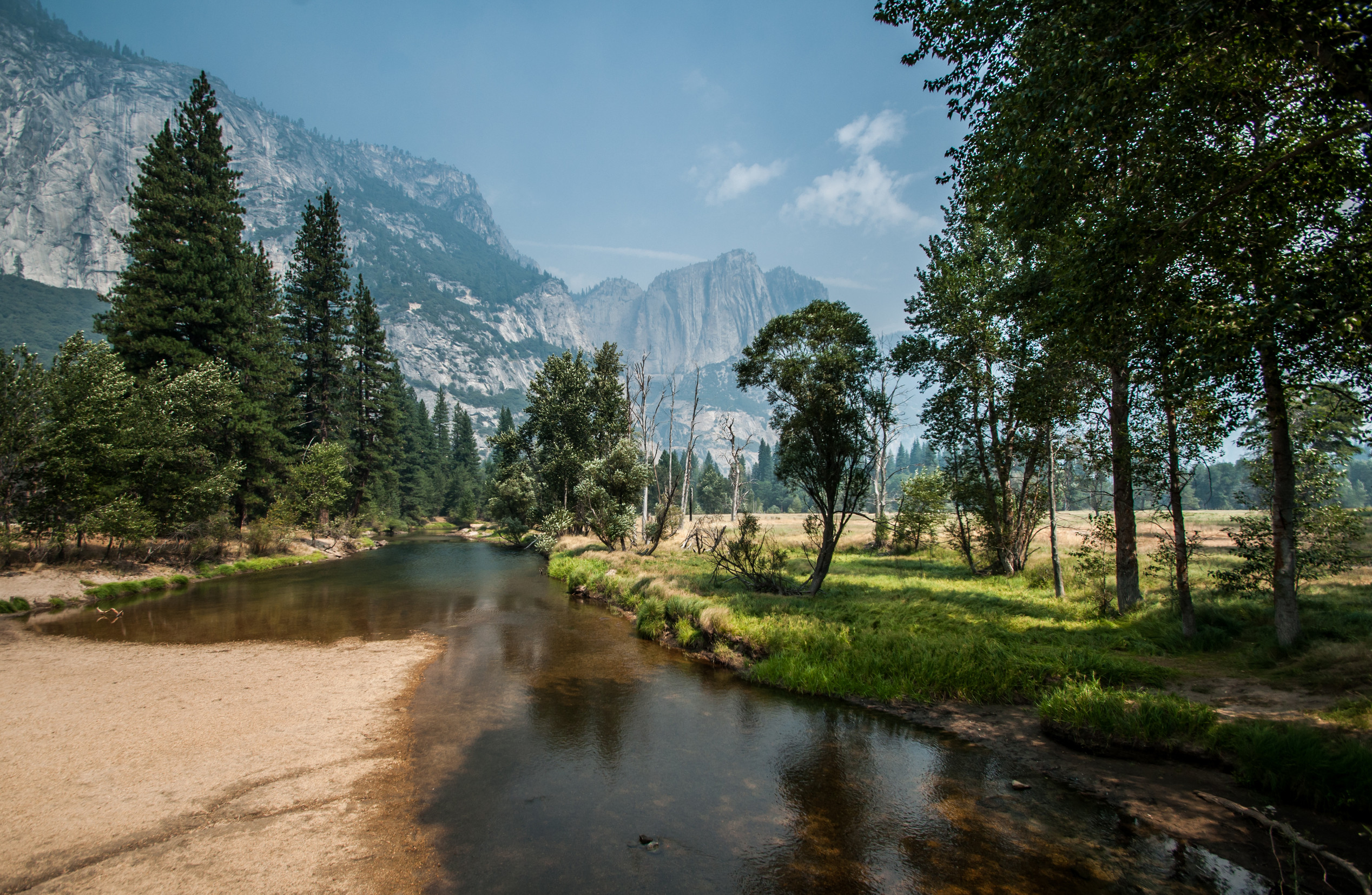
Southern Sierra Miwuk Nation regains ancestral lands near Yosemite in major c...
BY THE OPTIMIST DAILY EDITORIAL TEAM Nearly 900 acres of ancestral territory have been officially returned to the Southern Sierra Miwuk Nation, marking a ...
Read More8 fermented foods that your gut will love (and that taste great, too!)
BY THE OPTIMIST DAILY EDITORIAL TEAM Fermented foods have been a dietary staple in many cultures for centuries, but in the U.S., they’re only ...
Read MoreBreaking the silence: empowering menopausal women in the workplace
Addressing menopause in the workplace is long overdue in today's fast-changing work scene, where many are extending their careers into their 60s. According to ...
Read MoreInsect migration: the hidden superhighway of the Pyrenees
Insects, while frequently disregarded, are critical to the planet's ecosystems. They make up about 90 percent of all animal species and play important functions ...
Read More