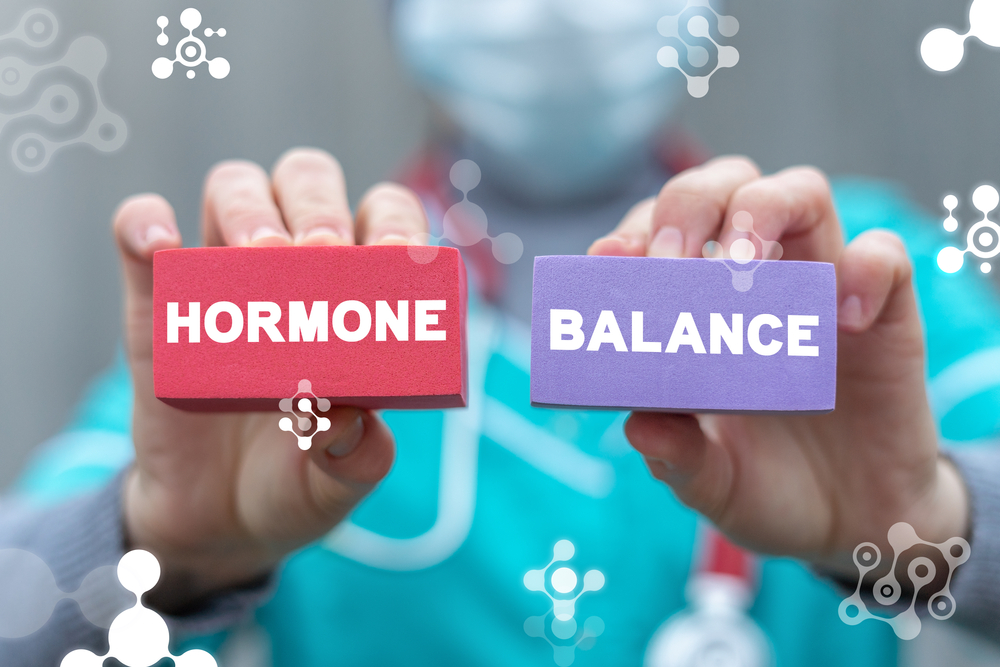
In the age of social media, claims regarding hormone imbalances abound, with quick solutions ranging from raw carrot salads to specific coffee-drinking times. However, doctors warn against depending on these unproven therapies, highlighting the necessity of understanding hormones as a complex system designed to maintain equilibrium.
Marilyn Tan, an endocrinologist at Stanford Medicine, explains that hormones, a type of protein, play an important role in coordinating metabolism among organs. She goes on to say, “Hormones refer to a whole category of proteins that send signals throughout the body.” Anne Cappola, a professor of endocrinology at the University of Pennsylvania School of Medicine, adds depth, saying, “They carry messages from the glands through the bloodstream to various organs and tissues to tell them how to function. This complex network of glands and organs is known as the endocrine system.”
The hormonal orchestra: a symphony of signals
Cappola delves into the varied role of hormones in development, metabolism, reproduction, and mood. She highlights that hormones work together to preserve balance, dispelling the myth of widespread but unsubstantiated illnesses such as “adrenal fatigue.” Cappola states, “It really takes a pretty big insult for your adrenal glands not to work. These glands have a lot of built-in redundancy. You have two adrenal glands. You need less than one to function.”
The true connection between hormones and symptoms
Acne, lethargy, and weight gain are frequently ascribed to hormonal imbalances on social networking platforms such as TikTok. However, experts like Cappola are cautious, pointing out that similar symptoms can be caused by a variety of factors, including sleep, stress, food, and activity levels. She emphasizes the adaptability of hormones, which regulate and correct for imbalances, debunking the idea of “adrenal fatigue.” According to Cappola, “It just takes a lot of work for your adrenal glands not to work, and if something is off in one way, they compensate, they adapt, and they regulate.”
The myth of diet as a hormonal hero
Contrary to online assertions, changing one’s diet is unlikely to put hormones back into balance. According to Cappola, hormones are meant to preserve homeostasis and adapt to changes rather than being influenced by external factors such as nutrition. She highlights hormone flexibility, noting, “They’re only there trying to help normalize when things are off for another reason.” A balanced diet is important for overall health, but it is not a cure-all for hormone-related illnesses.
Navigating hormonal health: when to get help
Cappola recommends people see a trusted doctor if they are experiencing symptoms, emphasizing the significance of a complete medical history, examination, and related tests. While some hormonal diseases, such as thyroid problems, can be quickly recognized with blood tests, a thorough evaluation is required. Cappola cautions against self-diagnosis and encourages people to seek professional help rather than changing their lives based on unproven web advice.
She believes it is worthwhile for a doctor to conduct a comprehensive history, perform an examination, and order tests based on your symptoms. Thyroid problems, for example, are extremely common and can be easily diagnosed with a blood test. However, if everything appears to be in order, you may have to face the possibility that there is no medical cause.
Cappola states, “Of course, I wouldn’t want anyone to miss an endocrine disease, but I also don’t want people to be misdiagnosed with an endocrine disease. I also don’t want them to have to rearrange their lives because they think the timing of their coffee is going to be what puts their hormones in alignment.”
The promise of rapid solutions for hormonal imbalances pervades social media, but doctors advise against relying on untested remedies. Understanding hormones as a sophisticated system intended for balance allows people to make more educated decisions regarding their health.
Rather than depending on social media influencers, get professional medical guidance to ensure proper diagnosis and appropriate solutions for hormone issues. In the search for well-being, a comprehensive approach that combines lifestyle choices with expert advice emerges as the key to hormonal balance.