BY THE OPTIMIST DAILY EDITORIAL TEAM
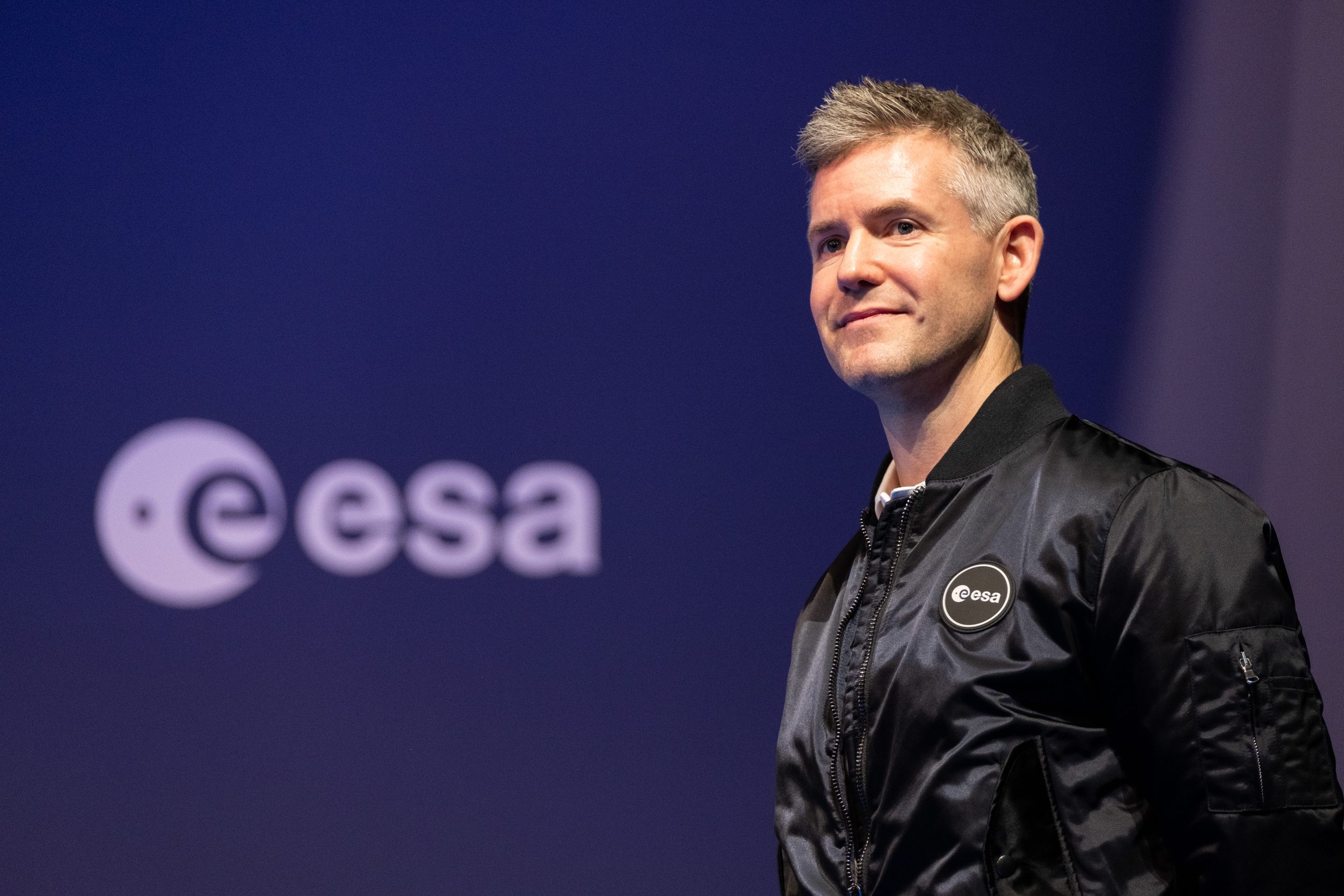
John McFall, a former Paralympian from Great Britain, made history as the first astronaut with a physical disability to be cleared for long-duration space missions. The European Space Agency (ESA) granted him medical clearance, making him eligible for potential assignments to the International Space Station (ISS). For McFall, this achievement transcends personal success—it’s about shifting mindsets.
“This isn’t about me, this is way bigger than that,” McFall said during a media briefing. “This is a cultural shift. This is something that has not been done before.” His words underscore the broader impact of his achievement: a step toward inclusivity in a domain that has long been perceived as exclusive.
A journey of resilience and resolve
McFall’s path to becoming an astronaut is nothing short of extraordinary. At 19, he lost his right leg in a motorcycle accident. Refusing to let this define him, McFall pursued a career in medicine, becoming an orthopedic surgeon, and went on to win a bronze medal in sprinting at the 2008 Beijing Paralympics. His determination and resilience made him a natural fit for the ESA’s astronaut reserve, which he joined in 2022.
The ESA’s feasibility study, aptly named “Fly!,” explored the potential for astronauts with physical disabilities to participate fully in missions. The study’s findings were promising: for individuals with disabilities similar to McFall’s, space travel is indeed possible without imposing significant financial or operational burdens. McFall’s recent clearance validates these findings, proving that “inclusion in space exploration is achievable,” as noted in a statement from the U.K. Space Agency.
A shift in mindsets
Jerome Reineix, the study manager for Fly!, acknowledged that the greatest challenges were not technical but cultural. “The main difficulty that we faced was not really technical … but was really about the mindsets,” he admitted. The success of the feasibility study is a testament to the power of challenging preconceived notions about disability and capability.
McFall’s optimism is unwavering. “At this stage, it’s looking very positive,” he said, expressing hope for a future mission assignment. The ISS is scheduled for decommissioning around 2030, leaving a promising window of opportunity.
A legacy of possibility
For McFall, the impact of his achievement extends far beyond the bounds of Earth’s atmosphere. “I hope that through my time here and what we’ve achieved so far that I’ve been able to change that mindset a little bit,” he shared. His words reflect a deeper mission—to inspire others with disabilities to pursue paths previously thought impossible.
While a seat on the next ISS mission is not guaranteed, McFall’s journey has already redefined what is possible. His story is a powerful reminder that the sky is not the limit; it is just the beginning.