BY THE OPTIMIST DAILY EDITORIAL TEAM
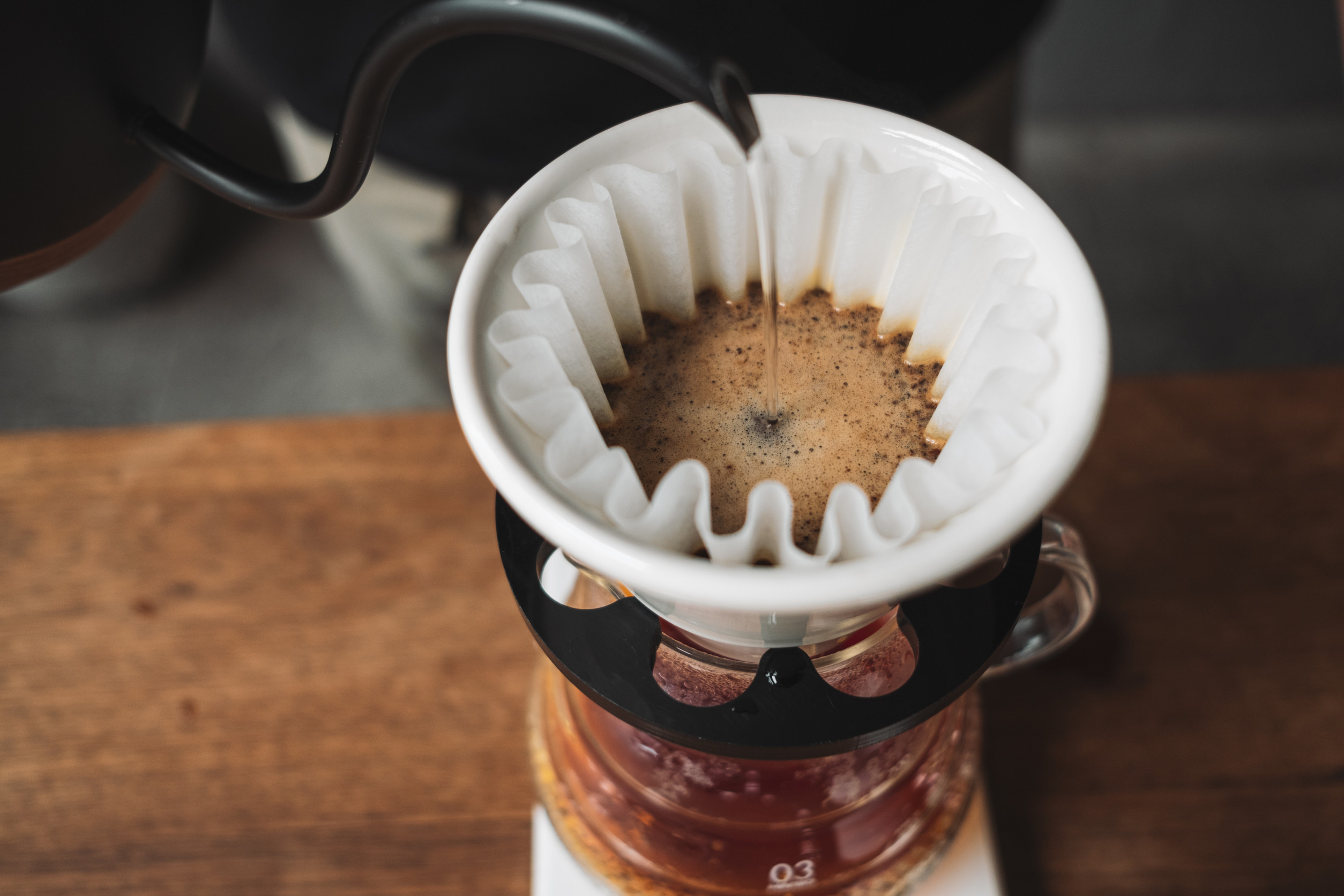
If you’ve ever wished your morning pour-over packed more punch without using extra coffee grounds, science has good news for you. Researchers have discovered that how you pour the water—specifically how slowly and from what height—can make a big difference in your brew’s strength.
Published in Physics of Fluids, the new study shows that tweaking your pouring technique can unlock more flavor from the same amount of beans. No need for a fancy grinder or high-end filters—just a steady hand and maybe a little extra patience.
The science of the perfect pour
Dr. Arnold Mathijssen, a physicist from the University of Pennsylvania and co-author of the study, explains the effect: “Pouring the hot water slowly increases the contact time between water and coffee, while pouring from a greater height enhances mixing.” Both help draw more flavor compounds from the coffee grounds.
But there’s a balance to strike. Go too slow or pour from too high, and the water stream can break into droplets—which weakens the impact. What you’re aiming for is a smooth, unbroken stream of water that digs into the coffee bed.
The research team simulated this process using clear silica particles and lasers to study how water disturbed the particles in a funnel. When poured just right, the water created a kind of mini avalanche in the coffee bed, dislodging grounds from the bottom and increasing the overall mixing.
“The increased height compensates for the slow pouring,” Mathijssen explained. “You only get the avalanche if there is enough energy available.”
Brewing smarter, not harder
When the researchers tested their findings with real coffee, they confirmed that the technique led to stronger, fuller-bodied results—no extra coffee required. Even better, they recommend home brewers try using slightly less coffee, say 18 grams instead of 20, and then experiment with pouring heights (staying under 12 inches for safety).
The goal is a steady, graceful pour that’s not too fast or high. A goose-neck kettle can help with control, but the magic is really in your pouring rhythm.
A sustainable (and delicious) solution
While this breakthrough might seem like a fun coffee hack, it could also play a small part in a much bigger challenge: making coffee more sustainable. The Coffea arabica plant is increasingly threatened by climate change, so learning to extract more flavor from fewer beans could be a win for coffee lovers and the planet.
Prof. Jamie Foster from the University of Portsmouth, who previously studied how to optimize espresso brewing, called the findings “totally plausible.” He even suggested the same principle could apply to other brew methods, including the humble cafetière.
“Of course, there’s always the option of stirring,” Foster added with a smile. “But perhaps a cleverly chosen pour could save dirtying cutlery.”
So the next time you’re craving a stronger cup, look to your technique. With a slower hand and a higher pour, you might just elevate your brew—and reduce waste at the same time.
Source study: Physics of Fluids— Pour-over coffee: Mixing by a water jet impinging on a granular bed with avalanche dynamics