BY THE OPTMIST DAILY EDITORIAL TEAM
In a sign of how quickly the clean energy landscape is evolving, HydrogenXT has secured a $900 million financing agreement to build an initial fleet of 10 zero-carbon hydrogen production and refueling facilities across the United States.
For an industry that, not long ago, was dominated by fossil fuels, such large-scale investments in hydrogen infrastructure would have seemed improbable. In 2026, however, billion-dollar clean energy deals are becoming a defining feature of the transition.
The Houston-based company’s agreement with Kell Kapital Partners Limited and a consortium of institutional investors marks a major milestone, not only for HydrogenXT, but for the broader push to decarbonize heavy transport and industry.
Building a network of zero-carbon hydrogen hubs
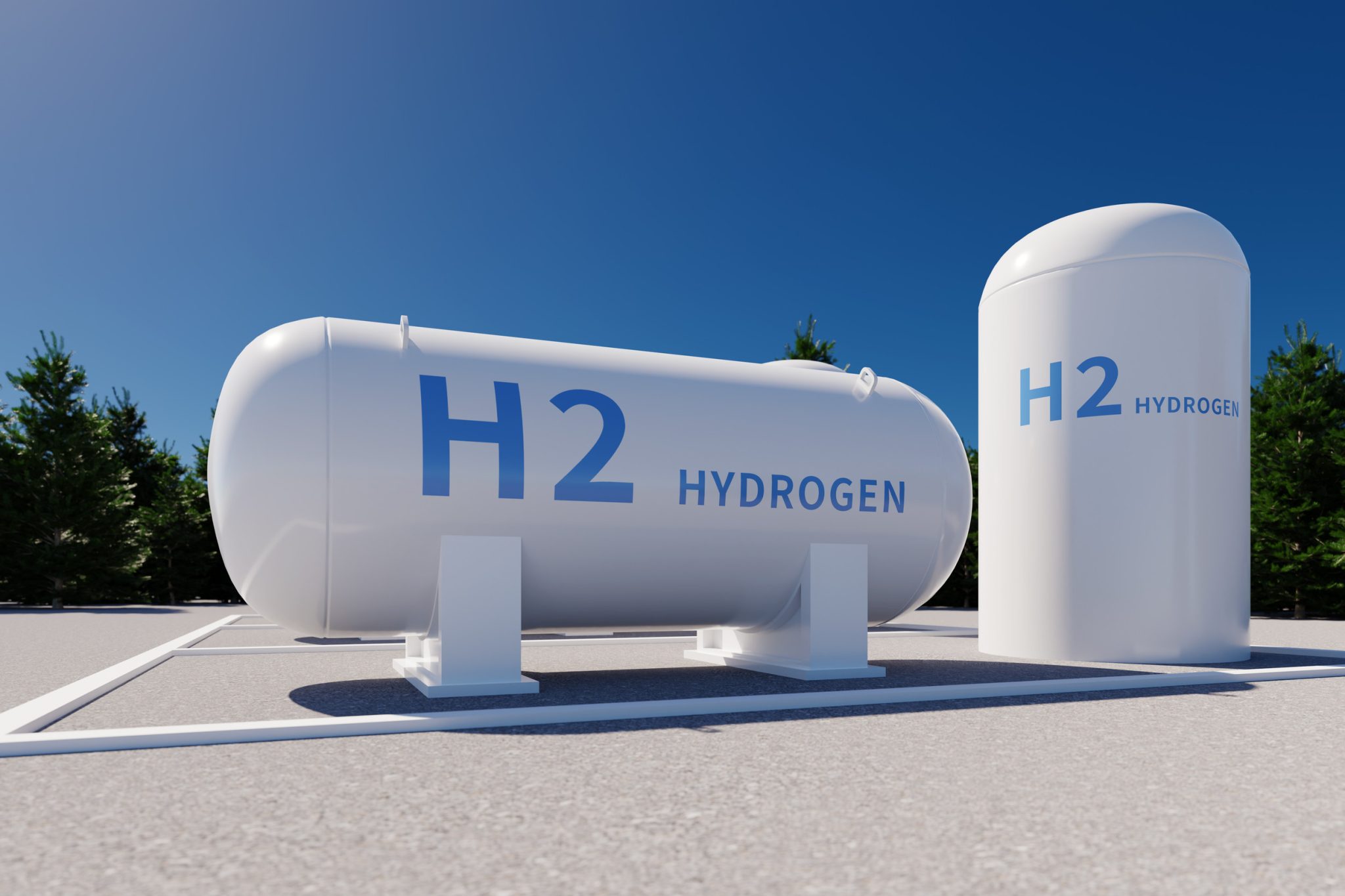
The financing will fund the engineering, procurement, and construction of ten localized hydrogen plants designed to produce and dispense zero-carbon, fuel-grade hydrogen. The facilities are intended to serve heavy-duty transportation, industrial users, and emerging energy applications that are difficult to electrify.
Hydrogen has gained momentum in recent years because of its versatility. It can power trucks, buses, and industrial processes while emitting little to no carbon at the point of use. As governments and corporations look to cut emissions across supply chains, demand for low-carbon hydrogen is rising.
HydrogenXT’s project reflects that shift. The first facility is planned for Avenal, California, with additional sites targeted along major freight and logistics corridors in California, Oregon, Washington, and North Dakota. These locations were selected strategically. They are close to transportation routes and demand centers where diesel still dominates.
While some communities may question why facilities are concentrated in certain regions, the company’s strategy focuses on areas where hydrogen can displace the most fossil fuel use, particularly in heavy trucking.
How the $900 million deal is structured
Large-scale energy projects rarely move forward without complex financial engineering. HydrogenXT’s $900 million package blends debt and equity financing, structured specifically to support the rollout of its first wave of plants.
The involvement of Kell Kapital Partners Limited, a firm with a strong track record in infrastructure and clean energy, adds credibility to the effort. Institutional backing at this level signals confidence that hydrogen infrastructure can be commercially viable, not just environmentally desirable.
For HydrogenXT, the financing accelerates a transition from concept to construction. Reliable capital allows the company to scale quickly and establish a foothold in what many analysts expect to become a highly competitive hydrogen market.
The technology behind the facilities
HydrogenXT plans to deploy a modular platform that combines steam methane reforming with integrated carbon capture, along with on-site compression, storage, and dispensing systems.
Steam methane reforming has long been used to produce hydrogen, but pairing it with carbon capture technology significantly reduces associated emissions. By integrating compression, storage, and fueling systems directly on site, the facilities are designed to streamline distribution and lower operational costs.
The goal: deliver affordable, zero-carbon hydrogen that can compete with conventional fuels in sectors where battery-electric solutions may not yet be practical.
A broader shift in energy investment
The scale of the financing underscores a broader transformation underway in the energy sector. As carbon reduction targets tighten and climate risks become more apparent, capital is increasingly flowing toward infrastructure that supports low-emission alternatives.
While $900 million may seem like a steep investment, large energy systems have always required substantial upfront funding. Historically, fossil fuel projects attracted similar (if not larger) sums. The difference today is where the money is going.
HydrogenXT’s expansion positions the United States to remain competitive in the global hydrogen race. Countries across Europe and Asia are investing heavily in hydrogen production, storage, and export capabilities. Developing domestic infrastructure now could help the US secure a stronger foothold in that market.
What comes next?
Construction of the initial facility in California is expected to begin as financing moves into execution. If successful, the first ten plants could serve as a blueprint for broader expansion.
For industries seeking practical pathways to decarbonization, hydrogen offers one piece of the puzzle. For investors, the project represents growing confidence that clean energy infrastructure can deliver both environmental and economic returns.
As 2026 unfolds, deals like this suggest that hydrogen is moving from pilot projects to full-scale deployment, and that the energy transition is entering a new phase of industrial ambition.
This solution is highlighted by The World Business Academy, the umbrella organization housing The Optimist Daily. To learn more, please visit our website.