BY THE OPTIMIST DAILY EDITORIAL TEAM
Think about the last time you ate lunch without also doing something else. Not at your desk, not in the car, not scrolling. Just sitting with food and letting it be the thing. For a lot of Americans, it’s hard to remember. For the French, it’s just lunch.
Jane Leverich, a registered dietitian, first visited France in her early twenties and felt something she couldn’t name yet. The way people ate there felt different: unhurried, free of the low-level guilt that shadows so many American meals. When she returned years later as a dietitian, it clicked. “The ease, the balance, the unapologetic joy around meals, it all made sense. What I once thought was simply French charm was a way of eating that proves good nutrition and good food don’t have to live in separate universes.” She breaks that approach into five principles.
The 5 principles of French food culture
Plaisir: pleasure is the point
Plaisir, pleasure, is where French food culture starts. Food is a source of joy, not something to monitor or earn. “In France, food isn’t just fuel, it’s a source of joy. When we give ourselves permission to enjoy food, we end up feeling more satisfied and less likely to overdo it later,” Leverich says.
If you’ve eaten an entire sleeve of crackers because you told yourself you weren’t having dessert, you already understand why this matters. Food that feels forbidden becomes food you can’t stop thinking about. The French don’t moralize a baguette or negotiate with a piece of cheese. They eat it and move on.
Équilibre: balance over restriction
Équilibre is less a strategy than a mindset shift. “Health isn’t found in eliminating foods or chasing perfection,” Leverich says. “It’s found in enjoying meals that nourish your body, satisfy your cravings and fit seamlessly into your life.”
The French approach isn’t about eating perfectly. It’s about not eating frantically. No counting, no swinging between whatever is trending. Just meals that work.
Qualité: quality over quantity
The French tend to eat less but pay more attention to what’s in front of them: fresh, seasonal, thoughtfully prepared. “Fresh, seasonal, thoughtfully prepared ingredients, paired with intention and enjoyment, create a sustainable approach to nutrition,” Leverich says. She calls this qualité.
When food is genuinely good, you don’t need as much of it. Paying attention to what you’re tasting turns out to be its own kind of portion control.
Rituel: meals as ritual
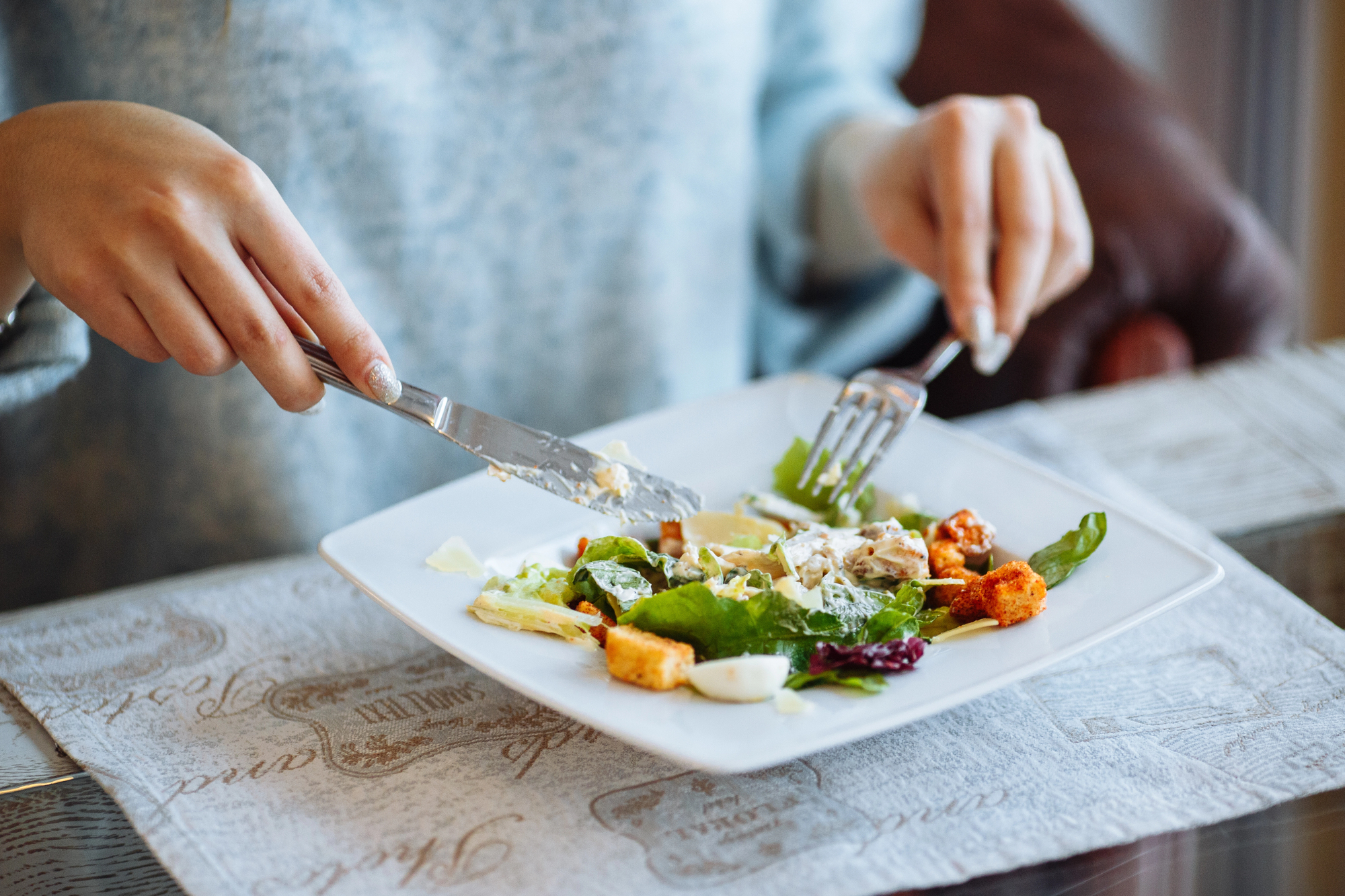
Rituel is the idea that eating deserves your full attention. That runs directly against most American eating habits: the sad desk lunch, the car snack, the dinner you eat while watching something else. The French would consider all of those a missed opportunity. “By slowing down, savoring each bite and creating small intentional habits around meals, you nourish both your body and your well-being,” Leverich says.
You don’t need a two-hour lunch for this. Twenty minutes at a table with your phone face down is somewhere to start.
Joie de Vivre: joy as nourishment
Joie de vivre is the last principle and maybe the most French of all: delight is part of eating, not a bonus. “Nourishment isn’t just about health,” Leverich says. “It’s about enjoyment, celebration and the small pleasures that make life feel full.”
That might mean sharing a favorite dish with someone, or finishing a cup of coffee before it goes cold because you sat with it long enough. The French don’t separate food pleasure from food health. For them, they’ve always been the same thing.
Leverich’s summary of the whole philosophy is one sentence: “They trust good ingredients, eat them in sensible portions and move on with their day. Not perfect, but refreshingly sane.”
Did this solution stand out? Share it with a friend or support our mission by becoming an Emissary.