BY THE OPTIMIST DAILY EDITORIAL TEAM
It’s usually around this time of the summer season when you find out which plants you’ve been taking for granted. You stroll through your garden, and there it is: your favorite leafy friend, drooping like it’s given up. The instinct is to reach for the hose. More water, surely, is what a struggling plant needs, right?
Heat stress has its own logic, and reading what your plants are telling you before you add more water can mean the difference between helping them and making things worse.
What heat stress looks like
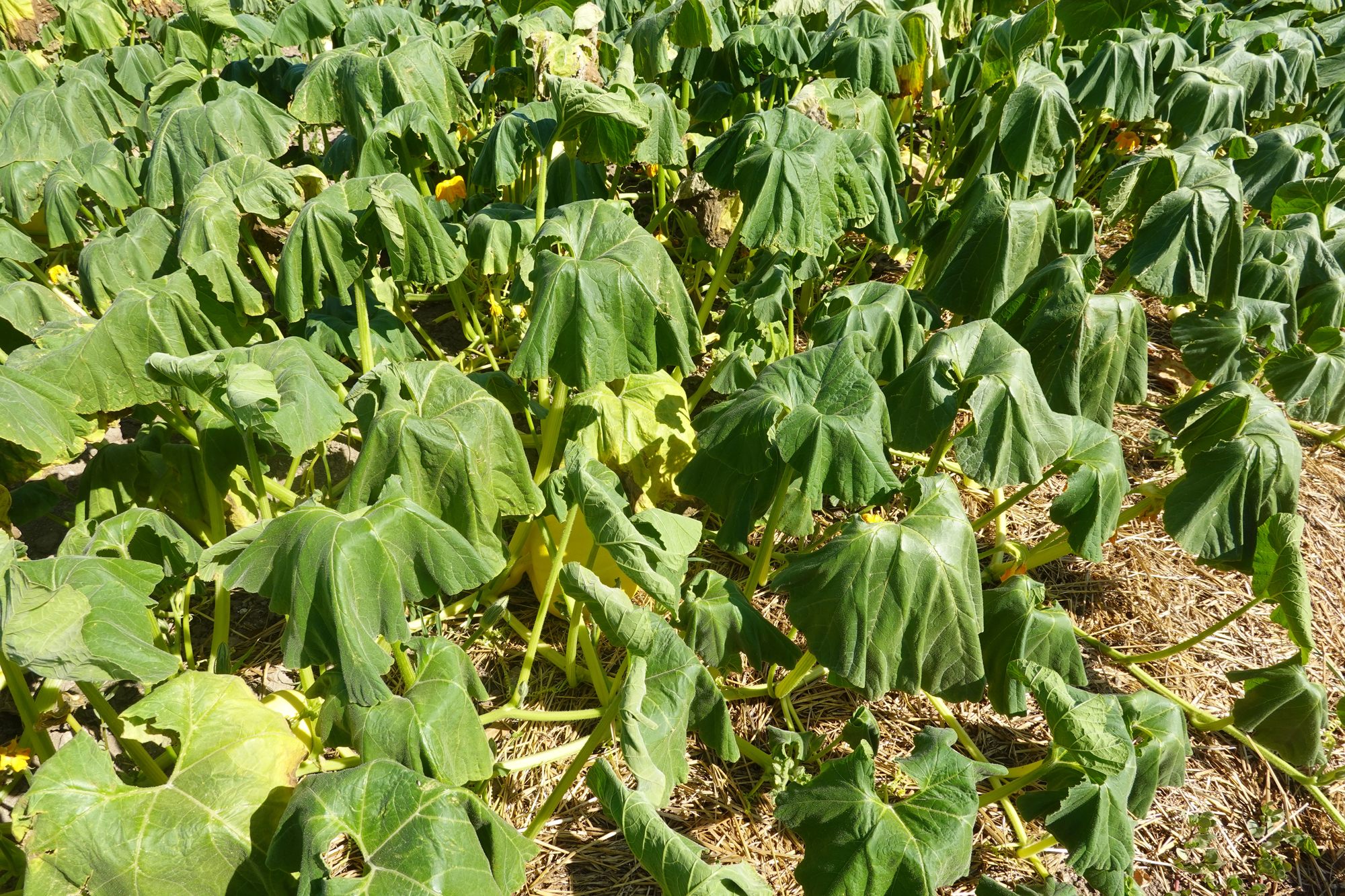
Wilting
This is the most obvious sign, but context matters. Angelika Zaber, a gardening expert and lawn care specialist, notes that some plants droop during peak afternoon sun naturally and perk back up once temperatures drop. The real warning sign is a plant that’s still limp in the morning or evening, when things should have cooled off. That persistent droop is the signal that something needs attention.
Brown and curling leaves
Leaf changes are another indicator. Plants under heat stress often curl or roll their leaves inward to reduce the surface area exposed to the sun. In more extreme cases, you’ll see yellowing or browning at the leaf edges, a kind of scorching that looks like the plant got too close to a flame.
Early blooms and leaf drops
The less obvious sign is what’s happening with flowering and foliage timing. If your summer plants are blooming earlier than expected, or dropping leaves when they shouldn’t be, heat stress may be the cause. “Premature flowering and early leaf drop happen when plants are trying to conserve their limited energy and resources,” Zaber says. Early blooms mean the plant is redirecting energy toward reproduction rather than survival. Leaf drop is an attempt to reduce water loss.
Before you water, check the soil
When you see a stressed plant, the soil tells you more than the plant’s appearance alone. Stick your finger into the top inch or two of soil. If it’s wet, adding more water will compound the problem. If it’s dry, that’s the green light.
Overwatering, underwatering, compacted soil, and root rot can all produce similar distress signals in a plant, which is why the finger test is worth doing before any intervention. It rules out the problems water can’t fix.
The rescue tool worth having on hand
If the soil is dry and your plants are genuinely struggling, mulch is what the pros reach for first. It slows evaporation, keeps root temperatures more stable, and improves soil structure over time as it breaks down.
“For the best possible results, use an organic mulch, like well-rotted compost,” Zaber says. “This will reduce water evaporation, protect the roots from temperature fluctuations, add nutrients to the soil, and improve its texture as it decomposes.” If the soil is dry before you mulch, water first, then apply the mulch on top.
How to prevent it next time
Prevention is simpler than rescue. Landscape designer Elizabeth Waddington recommends watering deeply and specifically: “Water well and deeply, in the early morning if possible, giving plants a good soak rather than giving a little water more often to encourage deeper rooting. Remember to direct water to the soil around the roots, where it is needed, rather than sprinkling or spraying above-ground growth.”
Morning watering lets moisture reach the roots before evaporation kicks in. Frequent shallow watering keeps roots near the surface, exactly where soil temperatures run highest.
On the worst days, temporary shade can help even plants that usually prefer full sun. A shade cloth, old curtains, or bedsheets work as a cover during peak afternoon heat. For longer-term relief, Waddington recommends planting strategically, using heat-tolerant, full-sun varieties as companions that provide natural shade for neighbors that need a break. A good morning watering routine, a layer of mulch, and a little borrowed shade: your garden can handle a lot with those three things in place. The wilting, the curled leaves, the early blooms are all information. Plants are not subtle about what they need from you.
Did this solution stand out? Share it with a friend or support our mission by becoming an Emissary.