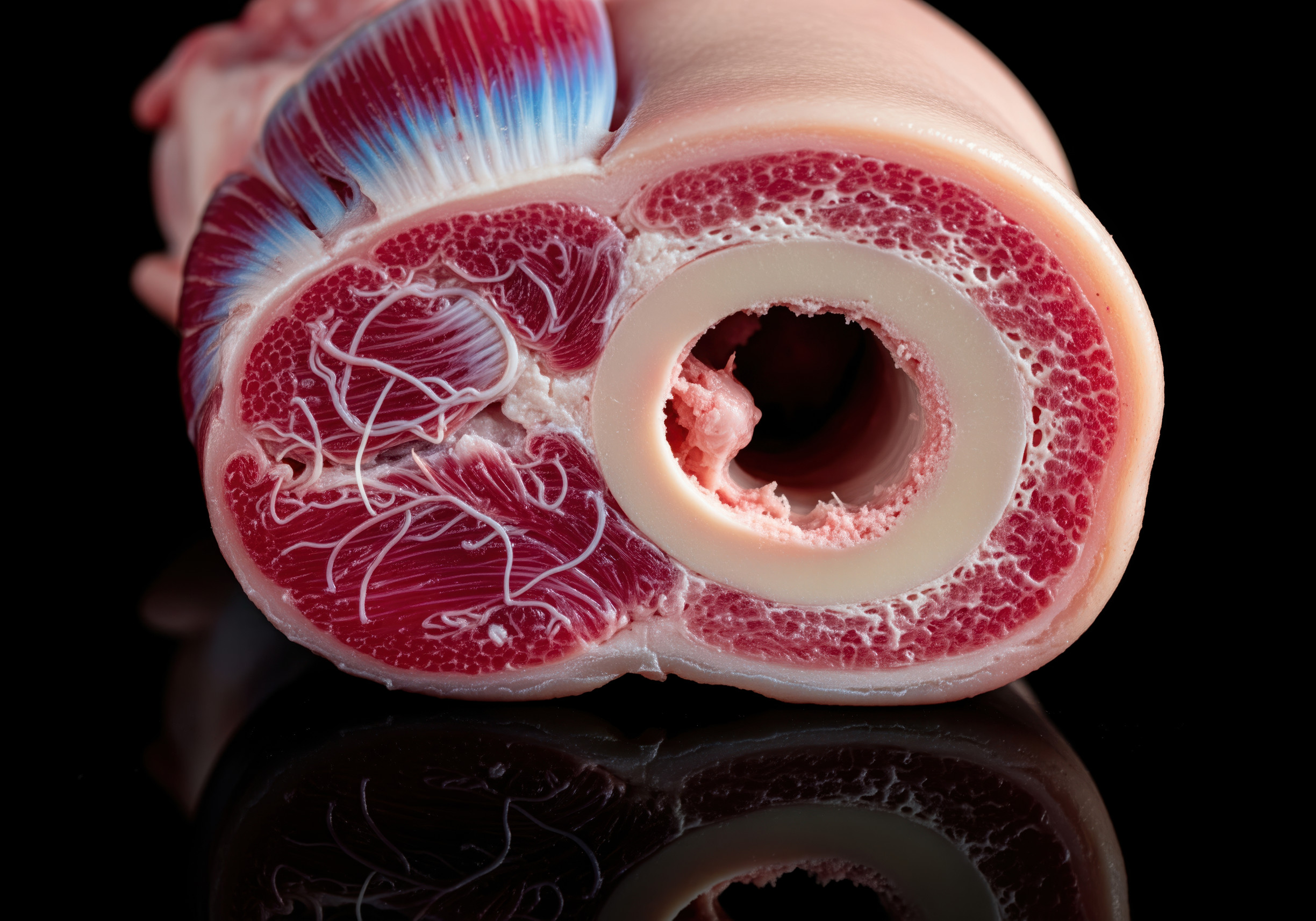
By 2050 there will be an estimated 10 billion humans living on this planet. Beyond that being a lot of mouths to feed, those folks will be, on average, wealthier than today’s population, with a taste for the foods found in regions like the US and Western Europe.
But we simply don’t have the capability, the land or the production resources to ensure that many people can eat a cheeseburger whenever the mood strikes. Luckily, researchers from around the globe are working on alternative-protein sources to supplement our existing beef, pork, and chicken.
Of course, there’s tofu, which has been used as a meat replacement for thousands of years. But today’s consumers expect their protein substitutes to closely resemble the meats they’re replacing, which is why Impossible Foods and Beyond Meat have arrived to such public fanfare. But as much as they look, smell and taste like a real beef patty, these products are still extruded plant matter — and highly processed products at that. That’s where insects come in.
Julie Lesnik, a biological anthropologist at Wayne State University, believes we should get our meat from smaller, more-resource-efficient animals than cattle — specifically, crickets. She points out that per kilogram, crickets offer roughly the same amount of protein as beef as well as significantly more micronutrients since you’re consuming the exoskeleton as well.
Plus, crickets require far less arable land than cattle do. Whereas it takes around 200 square meters of space to grow one kilogram of beef, the same amount of cricket needs only about 15 square meters. They can even be vertically farmed. Their water requirements are equally reduced compared to the 22,000 liters required to produce that kilo of beef.
Impressive environmental statistics back the case for switching our diets from cow to cricket, but it’s still to be seen whether humanity can muster up the appetite for crickets—even if they’re said to taste a bit like nuts. Considering plant-based meat’s astronomical rise over the last few years, it’s not entirely crazy to think of crickets becoming a feature on menus by 2050.