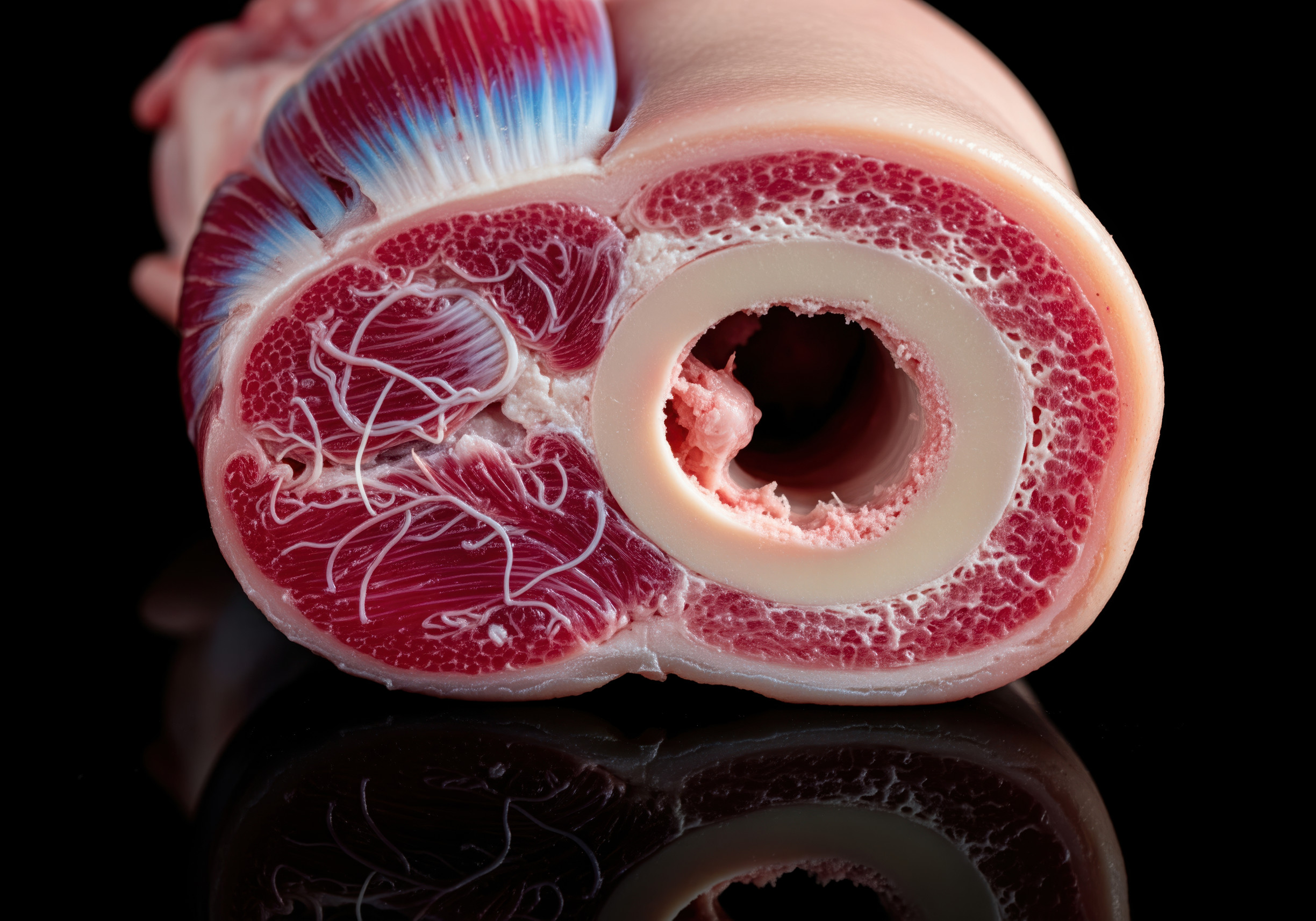
In order to develop more effective treatments for cardiovascular disease, an international group of scientists has made the most detailed map of the human heart ever created.
The map, which took four years to make, shows how a healthy heart looks and functions at the cellular level, with over 500,000 cells featured in the map. The idea is that the new map could provide new insights into cardiovascular disease, which is the number one cause of death around the world, killing nearly 18 million people every year.
Mapping the human heart in such detail was no easy task. The scientists started with 14 donor hearts that were healthy, though not suitable for transplantation. As described by FreeThink, the scientists used several imaging technologies, machine learning software, and a technique called single-cell sequencing to study the genetic activity of nearly half a million individual cells in the heart. What they were able to determine from this is that the heart has 11 types of cells, which are housed in six areas.
They also figured out that the cells in the different chambers of the heart behave differently from one another, and that there are cellular differences between the hearts of men and women. This last insight could be particularly useful in understanding how cardiovascular disease affects different sexes.
“I can summarize my thoughts in one word: monumental,” said Douglas Mann, a cardiologist at Washington University School of Medicine in St. Louis, who was not involved in the study. “I think it’s a really big accomplishment and will be a tremendous source of reference for the field.”
The initiative behind the detailed map, Human Cell Atlas, says the data is available on their website, but that they’re still working to improve it. One goal, in particular, is to study organs from a more diverse population considering all 14 used for the initial map were from white donors.
Nonetheless, the 500,000-cell map is an incredible accomplishment and shows just how advanced medical science is becoming thanks to new technologies.