Water conservation is an important endeavor that we all play a role in. Some experts say that the world could face a 40 percent global water deficit in under a decade if humans continue to increase water consumption. Here are five small changes you can make in your day-to-day life to start saving more water.
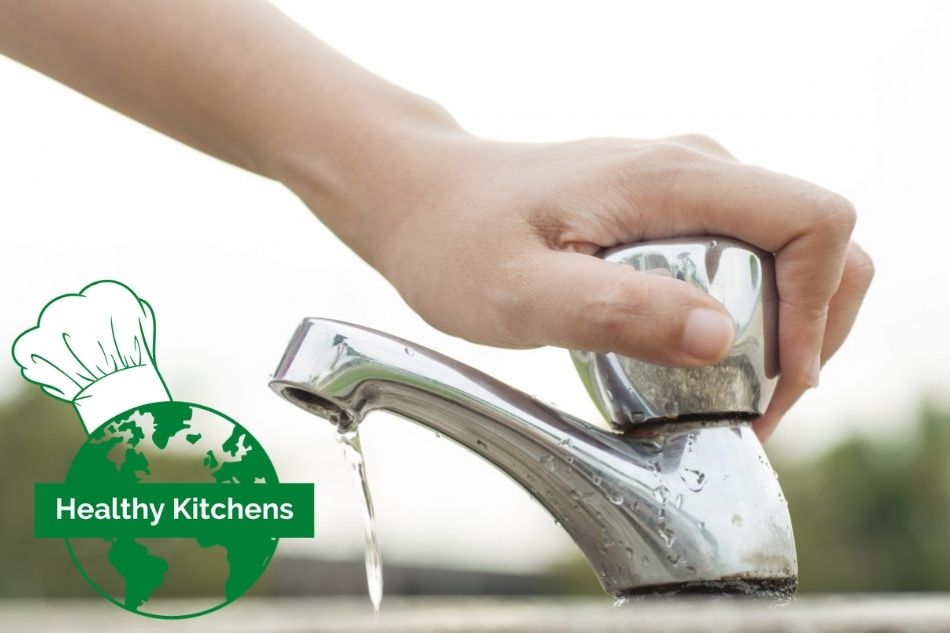
Fix a leaky faucet. This is a task often swept under the rug for later, but the more you wait, the more you waste! Most leaks are a quick and easy fix, requiring just a few tools and some hardware.
An average household in the US has plumbing leaks that waste nearly 10,000 gallons of water per year. By simply acting as soon as you notice a leak in your home, you can save a colossal amount of water.
Save wastewater. The next time you heat up water for a bath or to do the dishes, stick a gallon jug or bucket under the faucet as it warms up. Use this saved water for drinking, watering the plants, or filling pet bowls. Speaking of pet bowls, when you refresh your pet’s water bowl, you can give it to your houseplants or urban trees that grow by sidewalks instead of throwing it down your kitchen sink.
Cook pasta in its sauce. If pasta is a staple in your family, you may be one of the American households that use over 100 gallons of water a year just cooking pasta alone. Switch up your cooking method by abandoning that big pot of water and cooking the pasta directly in the sauce.
Consider the flush. Many of us may remember hearing “if it’s yellow, let it mellow” at least a couple of times over the course of our lives, however, this isn’t the only way to save on flushes. Remind yourself not to flush cigarettes, old food, tissues, or other things that can be disposed of, recycled, reused, or composted.
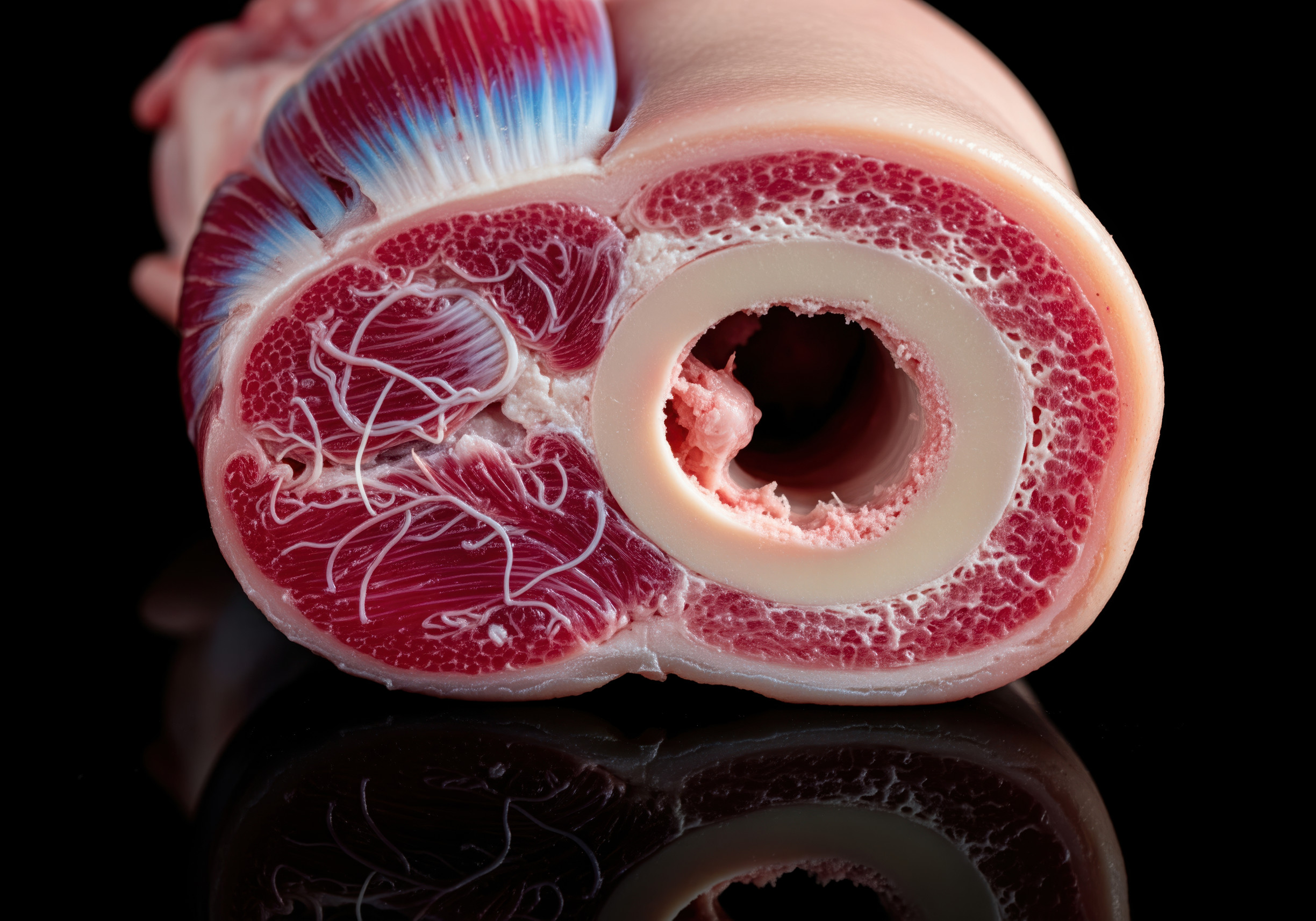
Skip the burger. Cutting down (even just a little bit) on meat consumption can significantly reduce your water footprint. This is because raising cattle for beef requires huge amounts of water. For example, 1,800 gallons of water are used per pound of beef produced, most of which is used for growing their feed.
If you are already on a plant-based diet, then your job is done here. If you aren’t and you’re also not ready to commit to a fully vegetarian or vegan lifestyle, remind yourself that even incremental change makes a big impact.