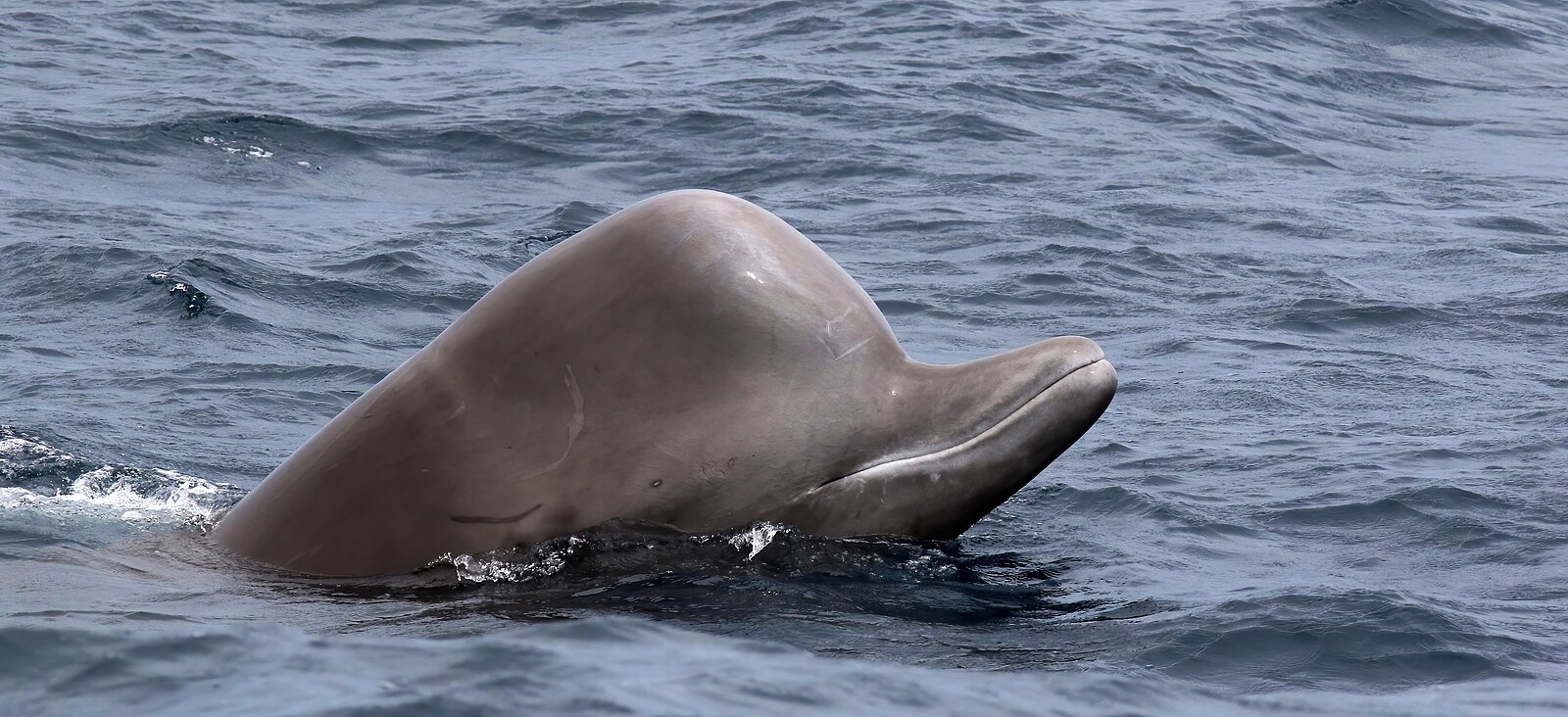
The Covid-19 pandemic has forced the world to slow down and stay put, which has certainly added stress to our lives, but for the natural world, has offered some respite from human activity.
This is the case for humpback whales in Alaska, which, as we wrote about before, have been enjoying the peace and quiet that they have been afforded due to the lack of cruise ships. Now that the pandemic has stretched to nearly 18 months, researchers are pleased to say that the reduction in noise caused by cruise ships has resulted in many lasting positive changes in whale’s social lives.
Prior to the pandemic, humpback whales would stick together and wouldn’t express themselves too frequently. However, this behavior has changed once the pandemic started according to National Park Service biologist Christine Gabriel. Now that there are fewer cruise ships intruding on the whales’ natural habitats, researchers have witnessed them spreading out and communicating more frequently and expressively. Mother whales have also been giving their calves freedom to explore.
Alaska’s tourism industry relies on cruise ships however, their presence presents challenges for sea animals. Ships generate so much noise pollution that the whales’ communication and hunting are negatively affected. At the peak of the pandemic, governments had to enforce strict restrictions on cruise ships which were major transmission zones. Tourists, out of concerns for their own health and safety, also avoided cruise ships. According to a BBC report, traffic to Glacier Bay in Alaska decreased by approximately 40 percent.
Another benefit that decreased cruise ship activity presented was the perfect opportunity for biologists to study marine life undisturbed. Researchers from the University of Alaska and other institutions have been able to traverse the coast and observe whale behavior.
Jason Gedamke of the National Oceanic and Atmospheric Administration fisheries’ ocean acoustics program told NPR that more efforts should be made to protect whales from human-made sound pollution because they rely on sound for communication. “When you have animals that for millions of years have been able to communicate over vast distances in the ocean, and then once we introduce noise and have increased sound levels and they can’t communicate over those distances, clearly there’s going to be some impact there,” he says.
Fortunately, there are innovative solutions to this problem in the works that you can read about here on The Optimist Daily, like the introduction of North Sailing’s silent whale-watching tours.