In a historic attempt to address the growing problem of packaging waste, the European Parliament has approved a comprehensive set of legislation aimed at reducing environmental damage and supporting sustainable practices. The Packaging and Packaging Waste Regulation (PPWR), which includes binding targets and limits on throwaway plastics, marks a significant step forward in Europe’s commitment to combating waste pollution.
Effectively addressing the packaging waste crisis
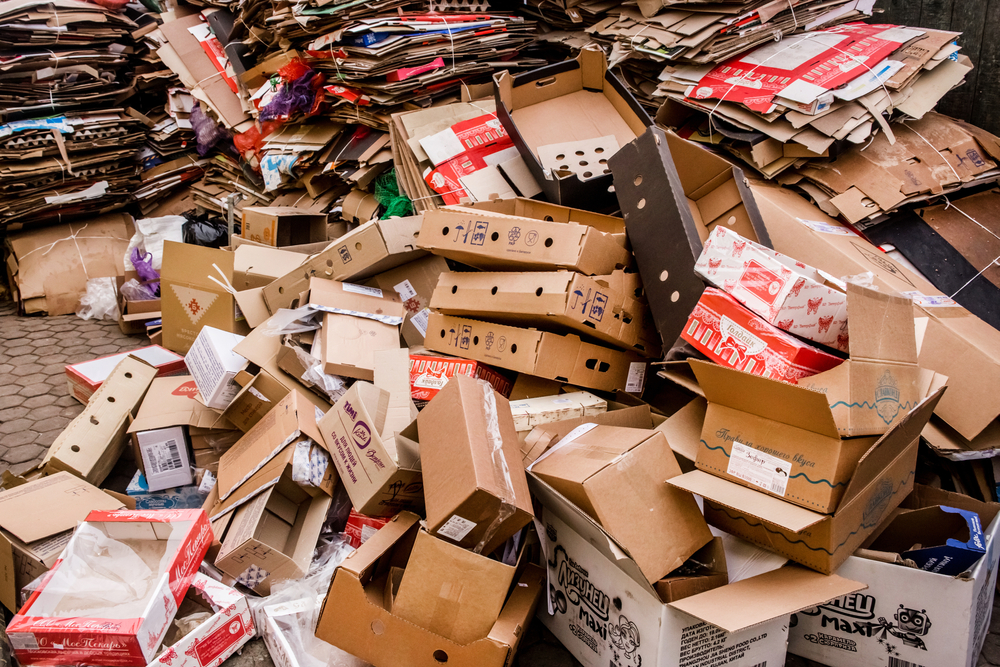
The approval of the PPWR is a watershed point in the EU’s efforts to reduce packaging waste. With roughly 190kg of packaging trash generated per EU person each year, immediate action was required to address mounting environmental issues. MEPs backed the proposal, which set ambitious targets to reduce trash creation by five percent by 2030, with more reductions expected in later years.
Key targets and prohibitions: understanding the legal scope
The PPWR’s fundamental goal is to reshape packaging habits across the EU through targets and prohibitions. The rule requires that almost all packaging materials be entirely recyclable by 2030, with minimum recycled content requirements for plastic packaging. Take-away restaurants will be obliged to provide reusable containers, while plastic bottles and cans will be collected separately via deposit-return programs. Disposable plastics, such as individual sachets and lightweight plastic bags, will also be banned in order to reduce waste.
Industry response: perspectives on the packaging waste regulation
The PPWR has received a variety of reactions from industry stakeholders, reflecting the multiple interests at play. Matti Rantanen of the European Paper Packaging Alliance (EPPA) called the rule “robust and evidence-based,” underlining its importance in supporting a circular economy. However, Nicholas Hodac of UNESDA Soft Drinks Europe highlighted concerns about obligatory reuse objectives, emphasizing the importance of context-specific solutions. Despite various perspectives, industry participants understand the value of collaborative action in tackling packaging waste.
Challenges and criticisms: exploring the backlash from NGOs
While the PPWR has received widespread support, it has also been criticized by environmentalists. NGOs have expressed concerns about legislative loopholes, particularly in the measurement of recycled content in plastic bottles. The decision to use a ‘ mass balance’ approach, enabling recycled content certificates to be applied to virgin plastic products, has outraged anti-waste activists. They warn of the dangers of misleading green claims and call for tougher measures to ensure transparency and responsibility.
As Europe takes serious steps to address the packaging waste challenge, the PPWR demonstrates the region’s commitment to sustainability. The EU hopes to stimulate good change and foster a more environmentally conscious society by establishing ambitious goals and enforcing strict laws. While challenges remain, ratification of the PPWR represents a big step forward in the global fight against plastic pollution and waste proliferation.