BY THE OPTIMIST DAILY EDITORIAL TEAM
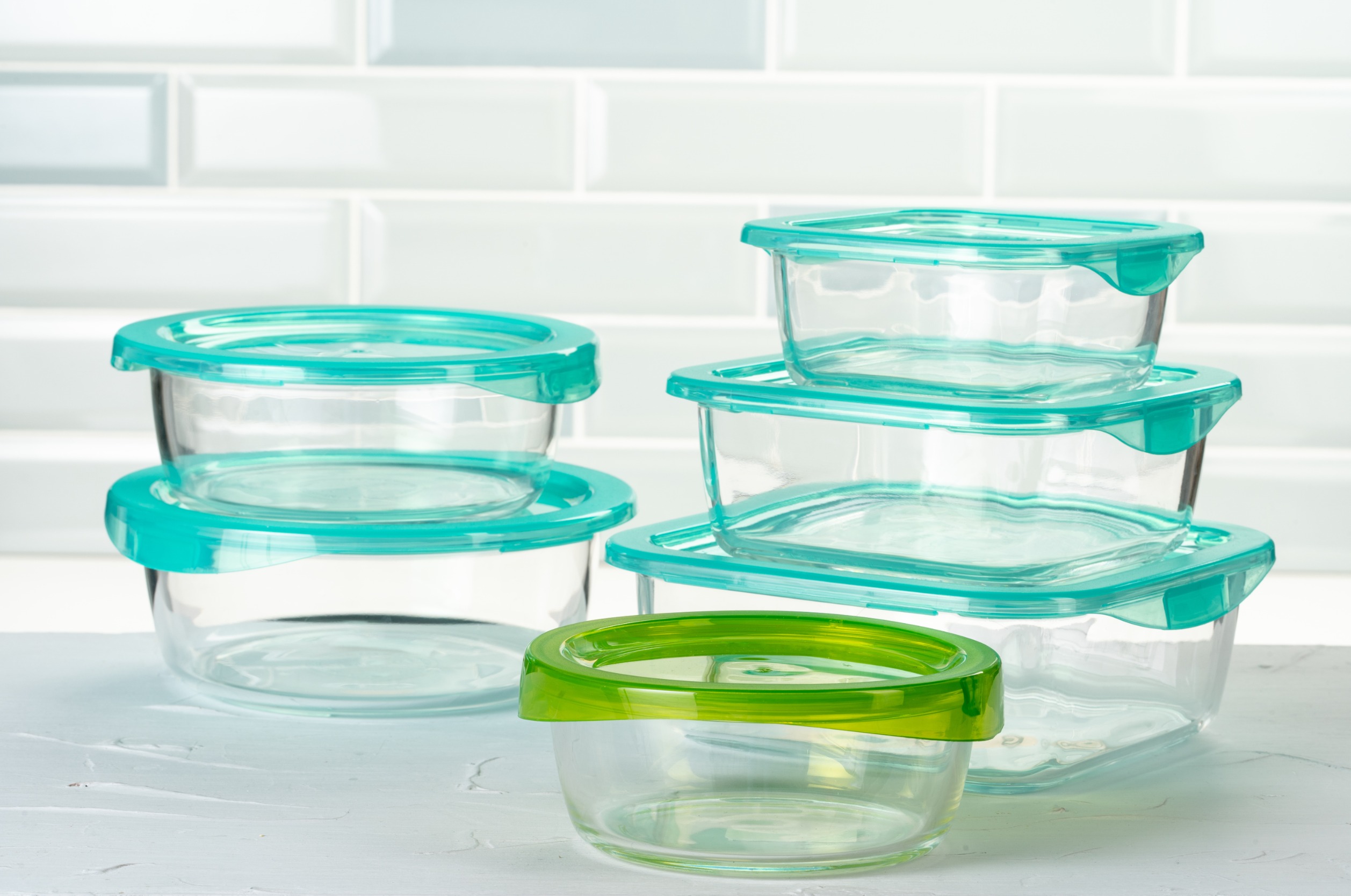
In the midst of a worldwide plastic calamity, small improvements at home can have a significant impact. One such adjustment is switching to glass food storage containers instead of plastic ones. This simple change not only reduces plastic consumption but also provides considerable health advantages and improves the quality of your stored food.
The glass food container advantage
Thermal resilience
Temperature-wise, glass containers are extremely adaptable. “Unlike plastic, glass can get hot or cold, maintain its shape, and avoid any breakdown that could leach harmful chemicals,” says Trevor Craig, corporate director of technical training and consulting at Microbac Laboratories. This makes glass an ideal material for freezer storage and high-temperature dishwasher cycles.
Superior sanitation
Glass containers are significantly easier to clean than plastic ones. Craig explains, “Glass is non-porous, so it’s easier to clean. This means there are fewer stains and fewer places for food and bacteria to get into.” Plastic, as a porous material, may house bacteria and retain odors, making it less sanitary with time. Kate Reeder, MCN, RDN, LDN, adds that the porous nature of plastic allows particles to slip through and absorb, producing a breeding environment for bacteria.
Longevity and sustainability
Glass containers may be more expensive initially, but they provide better long-term value. “Glass lasts longer and can be reused and recycled,” Craig adds. Plastic containers, on the other hand, frequently lose their shape, shatter, or flake, demanding repeated replacements. Handling glass with care to avoid breakage maximizes the value of your investment while also decreasing future plastic waste.
Tips for using plastic safely
Despite the advantages of glass, there are some scenarios in which plastic containers may be more practical, such as for children’s lunches or on-the-go meals. In these situations, it is critical to choose the safest types of plastic. Craig suggests PET or PETE (polyethylene terephthalate), HDPE or LDPE (low and high-density polyethylene), and polypropylene. These are generally safe for food and are frequently identified on the bottom of the container or box.
Always use plastic containers that are BPA-free. BPA, a chemical used to harden plastics, has been linked to a number of health problems, including endocrine disruption and cancer. Additionally, avoid reusing single-use plastic containers, such as takeout boxes or water bottles, because they are not intended for long-term use and might emit dangerous chemicals when degraded.
Craig says, “Think of food containers as special plastic designed for short-term storage (days or weeks)—not single-use plastic items like wraps, utensils, or bottles.” Make sure your plastic containers are microwave, dishwasher, and freezer safe, but never put them in the oven.
Making the switch to glass
If you’re ready to make the transition to glass, begin by gradually replacing your old plastic containers with glass. Look for sets that are long-lasting and adaptable to a variety of temperatures. Handle them gently to avoid damage.
In circumstances where plastic is inevitable, observe the safety tips above and always discard damaged plastic containers. Craig suggests verifying local recycling legislation to properly dispose of plastics, adding that not all types are recyclable.
Switching to glass food storage containers is a tiny but significant step you can make to reduce plastic consumption and enhance your overall health. Glass has advantages such as temperature resistance, greater sanitation, and durability. When plastic is required, use the safest varieties and adhere to recommended procedures to reduce health concerns. Making informed decisions helps you live a better lifestyle and contributes to a cleaner environment.