BY THE OPTIMIST DAILY EDITORIAL TEAM
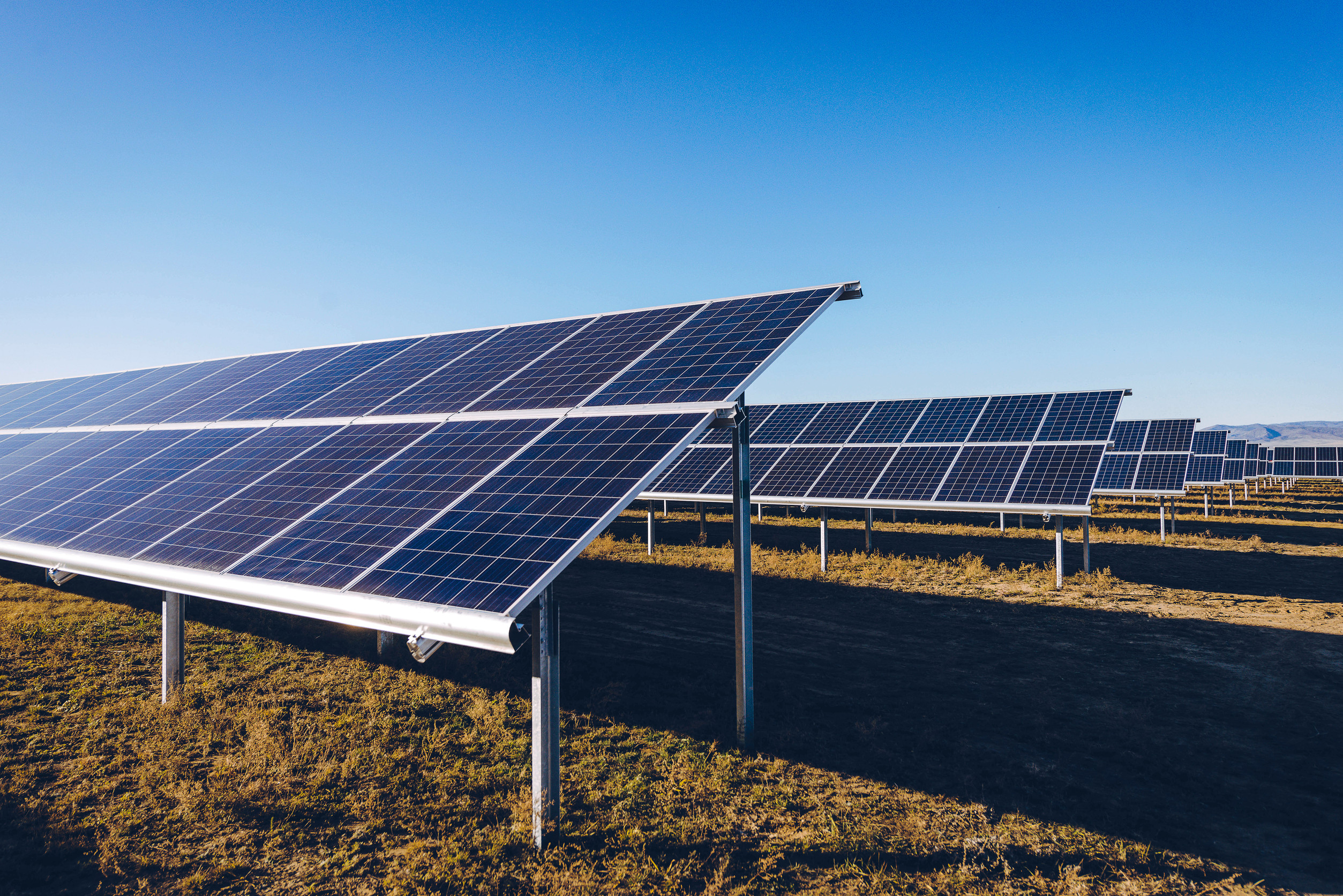
An incredible renewable energy project is taking shape in Medicine Hat, Alberta, as North America’s largest urban solar power park moves closer to reality. The Saamis solar project, a 325-megawatt (MW) photovoltaic development, is set to transform an old industrial site into a hub for clean energy, potentially powering an entire city of 65,000 residents.
A new future for an old site
The Saamis project is being developed on contaminated land in northeast Medicine Hat, a city historically known for its vast fossil fuel reserves. “Not only is it a productive use of a large area of contaminated land with limited development potential, it now also has the potential to contribute to the city’s energy transition to clean, renewable power,” said Damian Bettles, DP Energy’s North America head of development.
The Irish renewables firm DP Energy originally spearheaded the project before transferring ownership to the city in a sale finalized earlier this week. The total value of the sale remains undisclosed, but the first phase of construction is expected to generate 75 MW at an estimated cost of $120 million. Medicine Hat’s director of energy marketing and business analysis, Travis Tuchscherer, noted that a final decision on this initial phase will be made later this year.
Navigating regulatory hurdles
The project has overcome significant obstacles, including Alberta’s controversial renewables moratorium, which temporarily halted approvals for renewable projects over concerns about prime agricultural land and scenic landscapes. “Ours was ultimately a well-sited project, so we got through once we dealt with the viewscapes, decommissioning, and high-grade agricultural land stipulations,” Bettles explained.
The moratorium delayed multiple renewable developments in Alberta, but the province remains Canada’s solar powerhouse, adding 402 MW of new capacity in 2022 alone. Alberta’s total solar capacity now surpasses 1,150 MW, and with projects like Saamis moving forward, the region continues to lead in Canada’s transition to renewable energy.
Building for a sustainable future
Saamis will be built on a 1,600-acre plot of land near the Medicine Hat Complex, the country’s largest fertilizer plant. The land, contaminated by industrial waste, will be capped with clay before solar panels are installed. This innovative reuse of industrial land showcases how renewable energy can be integrated into existing infrastructure without disrupting agricultural production.
Medicine Hat’s sunny climate makes it an ideal location for solar energy. “This provides us with a strategic option to build a utility-scale renewables energy project that would—in the first phase—complement our current natural gas generation,” said Tuchscherer. The city is also exploring ways to integrate wind and battery storage into its energy grid to ensure reliability.
Looking ahead, DP Energy remains optimistic about Canada’s solar future. “There is great potential for solar in Canada,” Bettles said, highlighting ongoing clean energy procurement plans in British Columbia, Ontario, and Quebec. DP Energy is already in talks about developing additional large-scale projects across the country.
A step toward energy independence
Medicine Hat is actively studying how renewable energy can support its largest industrial consumers and emerging energy-intensive industries such as hyperscale data centers. “While we don’t believe there is a direct play for data centers and the Saamis project, we are keeping all options open for clean power supply in the long-term for present and future customers,” Tuchscherer said.
The Saamis project marks a major step in Canada’s clean energy transition. With solar energy capacity reaching nearly 6,500 MW nationwide in 2022—enough to power nearly 500,000 homes—projects like this demonstrate the increasing viability of large-scale renewables.